
Understanding One Health
One Health is a collaborative approach that recognizes the close relationship between human health, animal health, and the environment. Healthy wildlife populations and balanced ecosystems contribute to a safer and more sustainable world.
Wild animals play essential roles in maintaining ecological balance. Birds disperse seeds, bees and other insects pollinate plants, and predators help regulate animal populations. When wildlife populations decline or ecosystems become damaged, these natural processes can be disrupted.
Why Wildlife Matters to One Health
Wildlife health is an important indicator of environmental conditions. Habitat destruction, pollution, climate change, and illegal wildlife trade can threaten animal populations while also increasing risks to humans.
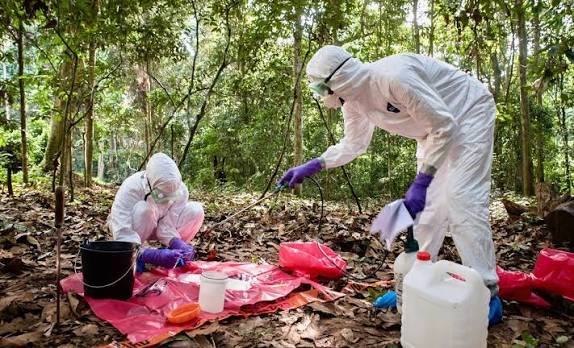
Some infectious diseases can spread between animals and people. These are known as zoonotic diseases. Monitoring wildlife health, protecting habitats, and understanding interactions among wildlife, livestock, and humans can help scientists identify emerging health threats.
However, wildlife should not be viewed simply as a source of disease. Wild animals are essential components of healthy ecosystems and deserve protection for their ecological and intrinsic value.
The Role of Wildlife Hospitals and Rehabilitation Centers
Wildlife hospitals play an important role in the One Health approach. They provide medical treatment for injured, sick, and displaced wild animals while supporting conservation and disease monitoring.
Veterinarians and wildlife specialists may identify unusual illnesses, document injuries caused by human activities, and gather information that contributes to wildlife health surveillance.
Whenever possible, rehabilitation centers aim to return recovered animals to their natural habitats, following appropriate veterinary and conservation guidelines.
Protecting Wildlife Through Collaboration
Effective One Health initiatives require cooperation among veterinarians, medical professionals, wildlife biologists, environmental scientists, government agencies, and local communities.
Together, these groups can address challenges such as habitat loss, antimicrobial resistance, environmental contamination, and emerging infectious diseases.
Public awareness also matters. Responsible waste management, habitat protection, avoiding unnecessary contact with wild animals, and reporting injured wildlife to trained professionals can support healthier ecosystems.
Building a Healthier Future
The future of human health cannot be separated from the health of animals and the environment. Protecting wildlife habitats, improving wildlife healthcare, and strengthening disease surveillance are important steps toward a sustainable future.
By embracing One Health, we can move beyond treating health challenges separately and recognize that the well-being of people, animals, and ecosystems is interconnected.
Protecting wildlife is not only about saving animals. It is about protecting the natural systems that support life on Earth.