Write your blog, inspire the world.

Wildlife ConservationWildlife Health

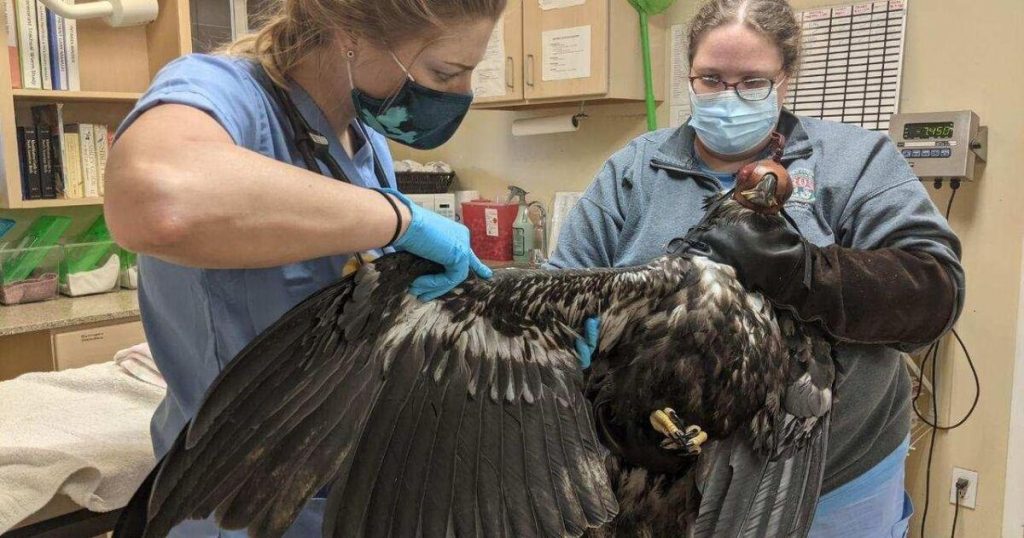
Wildlife rehabilitation helps injured, orphaned, and sick wild animals recover with the goal of returning them to suitable natural habitats. Successful rehabilitation requires veterinary treatment, species-specific care, behavioral recovery, and careful assessment of whether an animal can survive independently after release.

One HealthWildlife Veterinary Medicine

Early detection of wildlife diseases can help conservation professionals respond to emerging health threats before they cause widespread damage. Wildlife disease surveillance connects field observations, laboratory diagnostics, and ecological research to support evidence-based conservation.

Wildlife Veterinary Medicine

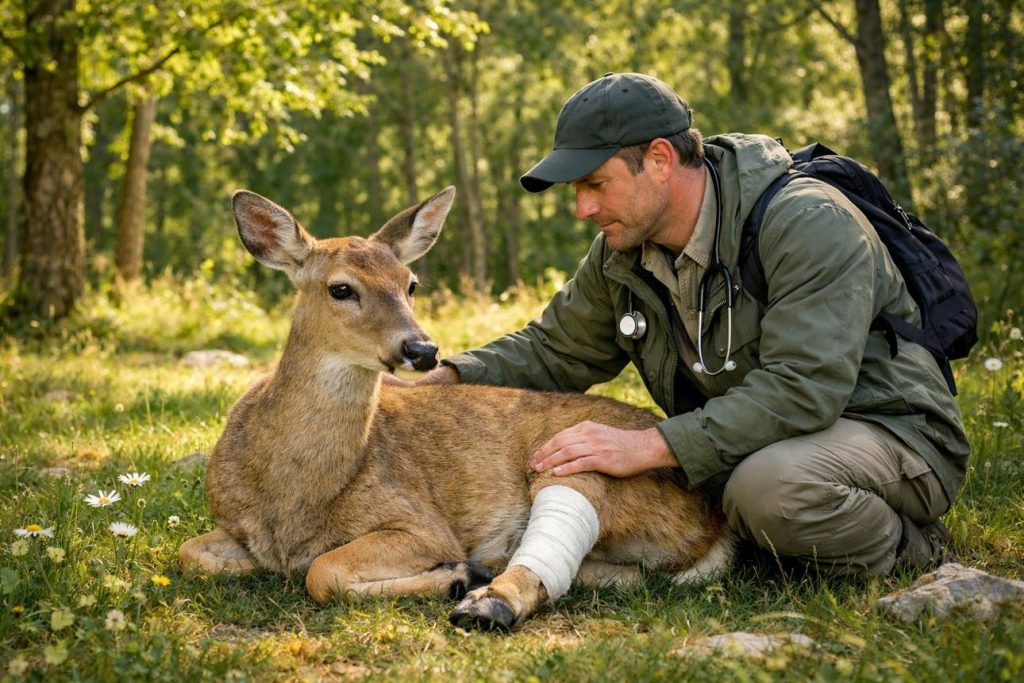
Wildlife veterinary medicine plays a vital role in protecting wild animals from diseases, injuries, and environmental threats. By combining veterinary science, wildlife conservation, and disease surveillance, wildlife veterinarians help maintain healthy animal populations and protect ecosystems.

Wildlife Health

Wildlife health is essential to maintaining biodiversity, protecting ecosystems, and supporting the well-being of our planet. From habitat loss and climate change to infectious diseases and pollution, wild animals face growing challenges that threaten their survival. Understanding wildlife health and promoting conservation efforts can help create a healthier future for animals, humans, and the environment.

Biodiversity

Wildlife is an essential part of our planet, bringing beauty, balance, and life to nature. From majestic tigers to colorful birds, every animal plays an important role in maintaining the ecosystem. Protecting wildlife means protecting our future.

Conservation

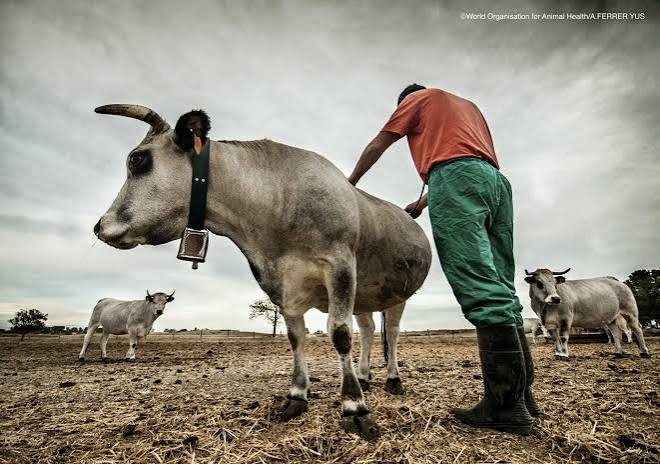
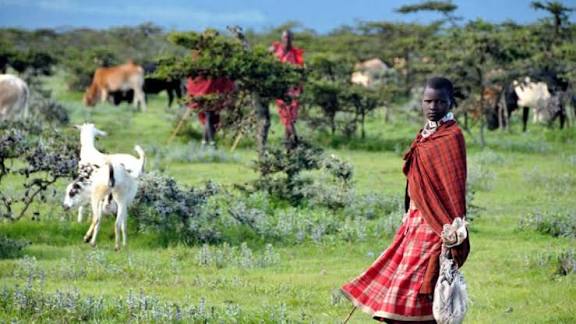
Wildlife conservation is not only about protecting animals inside forests and protected areas. Long-term conservation depends heavily on the people who live alongside wildlife and interact with natural ecosystems every day. When local communities are involved in conservation activities, they can become powerful partners in protecting biodiversity and maintaining healthy ecosystems.
Scroll to Top