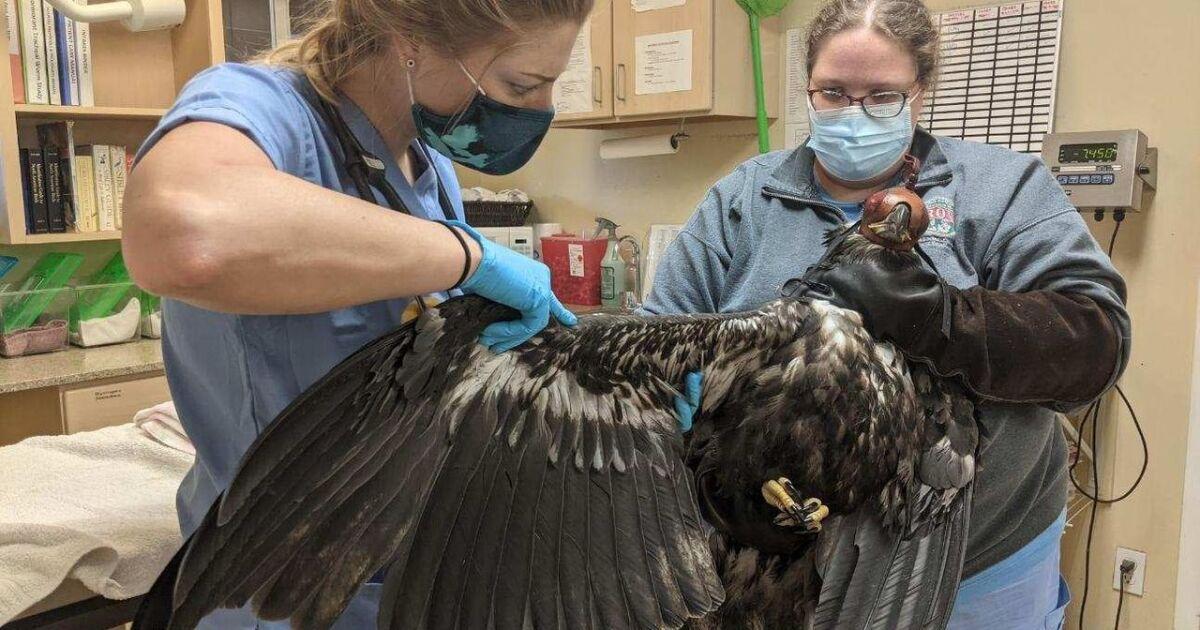
Wildlife Rehabilitation: From Rescue to Release
Wild animals may require professional assistance after road accidents, habitat destruction, entanglement, poisoning, or other human-related incidents. Wildlife rehabilitation provides temporary care for animals that are injured, ill, or orphaned, with the ultimate goal of returning suitable individuals to the wild.
What Is Wildlife Rehabilitation?
Wildlife rehabilitation is a structured process that combines veterinary treatment, supportive care, nutrition, behavioral management, and release planning. It differs from keeping wild animals as pets because its central objective is to restore the animal’s ability to live independently in its natural environment.
Not every rescued animal is a suitable candidate for release. Severe injuries, permanent disabilities, imprinting, or other factors may affect an individual’s prospects for survival.
The Importance of Veterinary Assessment
The rehabilitation process begins with an appropriate assessment of the animal’s condition. Wildlife veterinarians evaluate injuries, hydration, nutritional status, possible infections, and other health concerns.
Treatment plans must account for the animal’s species, age, physiology, stress response, and natural behavior. Handling should be minimized whenever possible because capture and restraint can cause significant stress.
Nutrition and Behavioral Recovery
Proper nutrition supports tissue repair, immune function, and physical recovery. However, feeding requirements vary considerably among species and developmental stages. Incorrect feeding can cause serious complications.
Behavioral recovery is equally important. Animals may need to develop or regain natural abilities such as foraging, flying, climbing, hunting, or avoiding predators. Excessive human contact can reduce the likelihood of successful release in some species.
Preparing for Release
Before release, professionals assess whether the animal is physically healthy, behaviorally capable, and suited to the proposed release location. The site should provide appropriate habitat, food resources, shelter, and reasonable prospects for survival.
Where appropriate and feasible, post-release monitoring can help evaluate outcomes and improve rehabilitation practices.
Preventing Future Injuries
Rehabilitation alone cannot solve the underlying causes of wildlife injuries. Habitat restoration, safer roads, responsible waste management, reduced use of harmful pesticides, and public education can help prevent wildlife emergencies.
Members of the public should contact qualified wildlife rescue services when they encounter injured wild animals rather than attempting potentially dangerous treatment themselves.
Conclusion
Wildlife rehabilitation is an important intersection of veterinary medicine and conservation. Its success depends not simply on helping an animal recover from illness or injury, but on preparing that animal for an independent life in the wild whenever release is appropriate.