
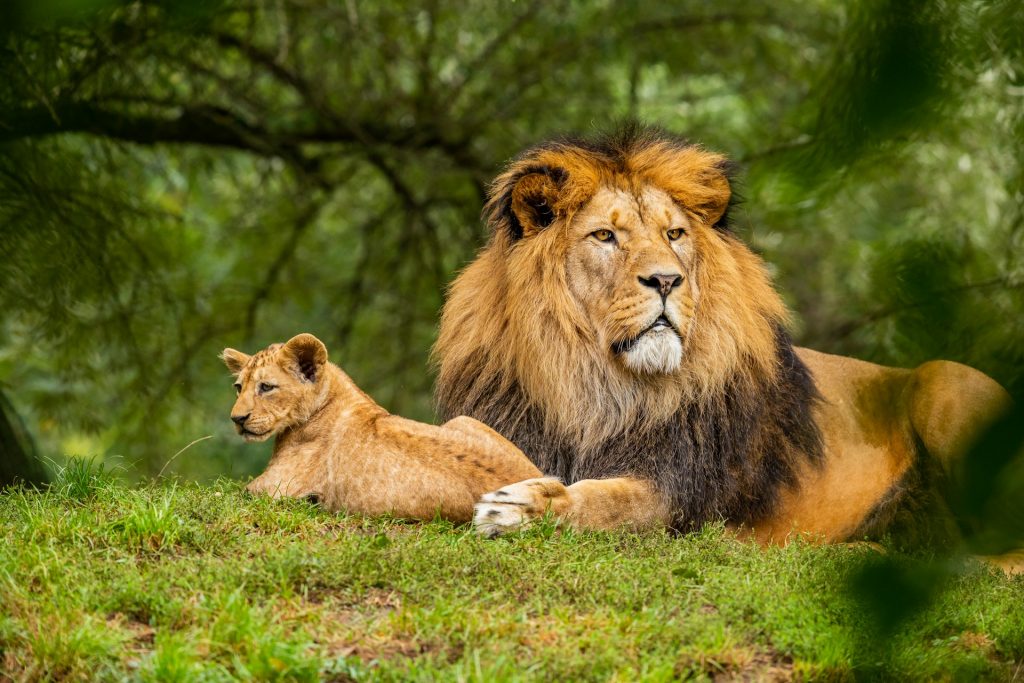
Why Does Wildlife Conservation Matter?
Wildlife conservation is the practice of protecting animal species and their habitats to maintain healthy ecosystems and prevent extinction. Here is why it should matter to every single human on Earth:
- Biodiversity Ensures Ecosystem Stability: Every species, no matter how small, plays a role in its ecosystem. Pollinators like bees are responsible for one-third of the food we eat. Remove them, and global food chains collapse.
- Medical Discoveries: Many modern medicines, including penicillin, aspirin, and certain cancer treatments, are derived from natural compounds found in plants, fungi, and animals. Losing a species could mean losing a cure.
- Economic Value Through Ecotourism: Protected wildlife areas generate billions of dollars annually. In countries like Kenya and Costa Rica, wildlife tourism is a primary pillar of the national economy.
- Climate Regulation: Forests, oceans, and wetlands act as massive carbon sinks. The animals within these habitats—such as elephants who shape forest canopies or whales who fertilize ocean phytoplankton—help trap carbon and fight climate change.
- Intrinsic Value: Simply put, wildlife has a right to exist. The moral imperative to share our planet with other living beings is a cornerstone of a compassionate society.
[Image Suggestion: An infographic showing the ripple effect of losing one species in a food web.]
The Great Threats: What is Endangering Wildlife?
To solve a problem, we must first understand it. The rapid decline of global wildlife populations is not a natural phenomenon—it is human-driven.
| Primary Threat | Main Causes | Impact on Wildlife |
|---|---|---|
| Habitat Loss | Deforestation, urban sprawl, agriculture | Leaves animals without food, shelter, or breeding grounds. |
| Climate Change | Fossil fuel burning, industrial emissions | Alters habitats faster than species can adapt; causes extreme weather. |
| Poaching & Trafficking | Illegal pet trade, ivory/rhino horn demand | Directly decimates populations of keystone species like tigers and pangolins. |
| Pollution | Plastic waste, agricultural runoff, oil spills | Causes ingestion of toxins, entanglement, and destruction of aquatic life. |
| Invasive Species | Global shipping, accidental/unintentional release | Outcompetes native wildlife for resources, leading to local extinctions. |
| Human-Wildlife Conflict | Expanding human settlements into wild spaces | Results in the retaliatory killing of animals like wolves and lions. |
Proven Strategies for Wildlife Conservation
The good news is that conservation works. When we commit to protecting nature, it bounces back. Here are the primary strategies conservationists use worldwide:
1. Establishing Protected Areas
Creating national parks, marine sanctuaries, and wildlife reserves provides a safe haven where animals can thrive without human interference.
2. Anti-Poaching and Law Enforcement
Training and equipping park rangers is the front line of defense. Furthermore, enforcing strict international laws like CITES (Convention on International Trade in Endangered Species) cripples the black market for wildlife parts.
3. Community-Led Conservation
Historically, local communities were pushed out of conservation areas. Today, the most successful projects involve indigenous and local communities, giving them economic incentives (like eco-tourism jobs) to protect, rather than poach, local wildlife.
4. Captive Breeding and Reintroduction
For species on the absolute brink of extinction, zoos and conservation centers breed animals in captivity to boost populations, later reintroducing them into the wild (e.g., the California Condor).
5. Harnessing Technology
Conservationists are now using drones to monitor deforestation, AI to track poachers via camera traps, and DNA analysis to track illegal wildlife products in shipping ports.
[Image Suggestion: A photo of a wildlife ranger using technology, like a drone or camera trap, in a dense forest.]
Your Role: How You Can Make a Difference
You don’t have to be a biologist in the Amazon to make a impact. Everyday choices dictate the future of global wildlife.
- Vote with Your Wallet: Avoid products containing unsustainably harvested palm oil, which destroys orangutan habitats. Choose FSC-certified wood and paper products.
- Say No to Wildlife Products: Never buy souvenirs made from ivory, tortoiseshell, coral, or exotic animal skins.
- Reduce Your Carbon Footprint: Drive less, eat more plant-based meals, and conserve energy at home to help slow the effects of climate change.
- Support Reputable Organizations: Donate to or volunteer with established NGOs doing on-the-ground work, such as the World Wildlife Fund (WWF), Wildlife Conservation Society (WCS), or local rehabilitators.
- Create Wildlife-Friendly Spaces: If you have a yard or balcony, plant native flowers, avoid pesticides, and put up bird feeders or bee hotels to support local biodiversity.
Conclusion
Wildlife conservation is not just about saving animals; it is about saving ourselves. We are deeply intertwined with the natural world, and the extinction of other species is a profound loss to our own heritage and survival.
The window to act is closing, but it is not yet shut. By supporting global conservation efforts, demanding policy changes, and altering our daily habits, we can ensure that the wild, wonderful symphony of life on Earth continues to play for generations to come.
What are your thoughts? Have you visited a wildlife sanctuary or taken steps to make your backyard more wildlife-friendly? Share your experiences in the comments below!