
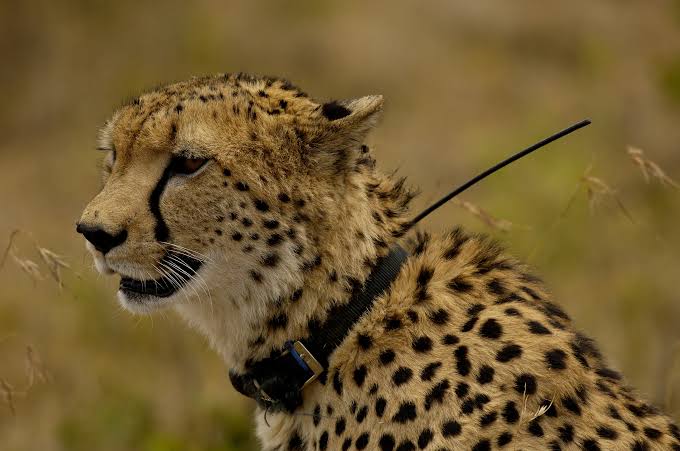
Across the world, wildlife is part of a living network that connects plants, animals, water, soil, and people. Yet this network faces growing pressure from habitat destruction, pollution, overexploitation, invasive species, illegal wildlife trade, and climate change.
Conservation begins with protecting the places where wildlife lives. Forests provide shelter for countless species, wetlands support birds and aquatic life, and grasslands sustain animals that depend on open landscapes. When these habitats are damaged or divided, wildlife can lose access to food, water, breeding grounds, and safe routes between populations.
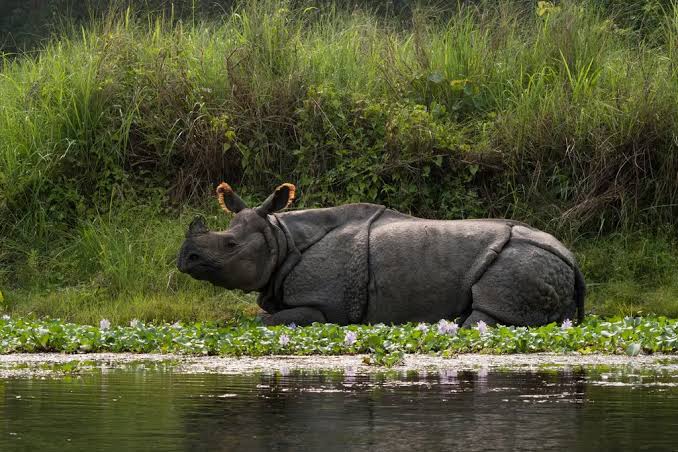
But conservation does not always mean leaving nature untouched. In damaged ecosystems, restoration can help bring back native vegetation, improve waterways, reconnect habitats, and create healthier conditions for wildlife. Restoration projects can range from planting mangroves and forests to improving wetlands and allowing degraded landscapes to regenerate naturally.
People are also an important part of the conservation story. Farmers, fishers, Indigenous communities, researchers, governments, and conservation groups can all contribute to protecting nature. Effective conservation increasingly combines scientific knowledge with local experience and practical solutions that allow communities and wildlife to coexist.
Small actions can contribute to a larger change. Reducing plastic waste, avoiding products linked to illegal wildlife trade, supporting responsible tourism, planting native species, and learning about local wildlife can help create a culture of conservation.
Wildlife conservation is ultimately about protecting a future in which wild animals are not memories in photographs but living parts of functioning ecosystems. Every restored habitat and every protected species represents another opportunity for nature to recover. The task is challenging, but conservation efforts have already demonstrated that positive change is possible.
Originality note: This article is newly written for you rather than copied from the sources; the sources were used only to ground the general factual claims.