
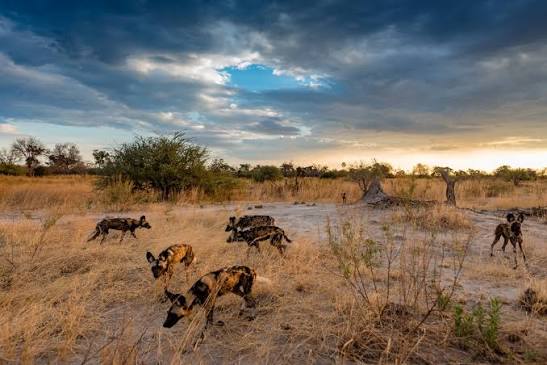
Wildlife is an important part of our natural world. Animals such as tigers, elephants, deer, birds, and many other species live in forests, wetlands, grasslands, and other habitats. Each animal has a role to play in its environment.
Wildlife ecology helps us understand how animals live in these environments. For example, a deer eats plants, while a tiger may depend on deer for food. Birds spread seeds, insects help plants grow, and many animals help keep nature balanced. This shows that different living things are connected to each other.
A healthy habitat is also important for wildlife. Animals need food, water, shelter, and safe places to reproduce. When forests are destroyed or rivers and wetlands become polluted, animals can lose the resources they need to survive.
Learning about wildlife ecology can help people understand the importance of protecting nature. By protecting habitats and reducing pollution, we can help wildlife survive and keep ecosystems healthy.
Wildlife ecology teaches us a simple but important lesson: when we protect nature, we also protect the animals and the future of our planet.