
Introduction
Wildlife is an essential part of the Earth’s natural environment. Every animal plays a role in maintaining ecological balance, from pollinating plants to controlling insect populations and supporting food chains. However, many animal species are now threatened with extinction because of human activities and environmental changes. Endangered animals require urgent attention, effective conservation strategies, and long-term protection to ensure their survival.
Major Causes of Animal Endangerment
Habitat loss is one of the leading threats to wildlife. Forest clearing, agricultural expansion, urban development, and the destruction of wetlands reduce the natural spaces animals need for food, shelter, and reproduction.
Illegal hunting and wildlife trafficking also threaten many species. Animals are captured or killed for their skins, horns, bones, meat, and other body parts. These activities can cause populations to decline faster than they can recover.
Climate change creates additional challenges by altering temperatures, rainfall patterns, food availability, and natural habitats. Pollution, plastic waste, and chemical contamination further threaten terrestrial and aquatic animals. The International Union for Conservation of Nature (IUCN) identifies these pressures as important drivers of biodiversity loss.
Examples of Endangered Animals
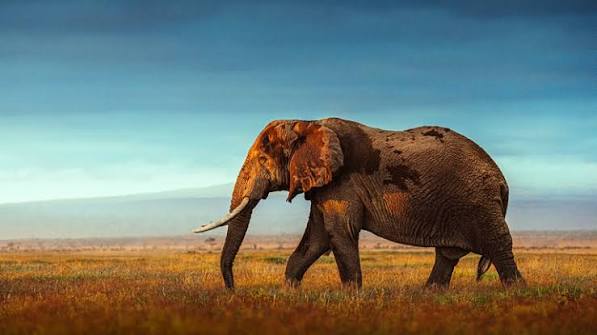
Several well-known animals face serious conservation challenges. Tigers depend on suitable habitats and healthy prey populations. Asian elephants are threatened by habitat fragmentation and conflict with humans. Sea turtles face risks from fishing activities, marine pollution, and the loss of nesting beaches. Some rhinoceros species are also severely affected by illegal poaching.
The exact conservation status of each species varies, so the IUCN Red List should be consulted for current assessments.
Why Protecting Endangered Animals Matters
Protecting endangered animals is important for more than preserving individual species. Wildlife contributes to ecosystem stability, nutrient cycling, seed dispersal, and other ecological processes. The loss of one species can affect other organisms and disrupt relationships within an ecosystem.
Wildlife conservation can also support local communities through sustainable tourism, education, scientific research, and the responsible management of natural resources.
Conservation Strategies
Governments, researchers, conservation organisations, and local communities can work together to protect threatened animals. Important measures include establishing protected areas, restoring damaged habitats, enforcing wildlife protection laws, reducing illegal trade, and promoting public awareness.
Scientific research is also essential. Monitoring wildlife populations, studying animal diseases, protecting genetic diversity, and evaluating conservation programmes help researchers identify effective solutions. Community participation can improve conservation outcomes by encouraging people to protect wildlife while addressing local economic needs.
Conclusion
Endangered animals are an important part of the planet’s natural heritage. Their survival depends on protecting habitats, reducing illegal hunting, addressing pollution, and responding to climate change. Through scientific research, effective policies, and community involvement, we can reduce extinction risks and help preserve biodiversity. Protecting wildlife today is an investment in a healthier and more sustainable future.