
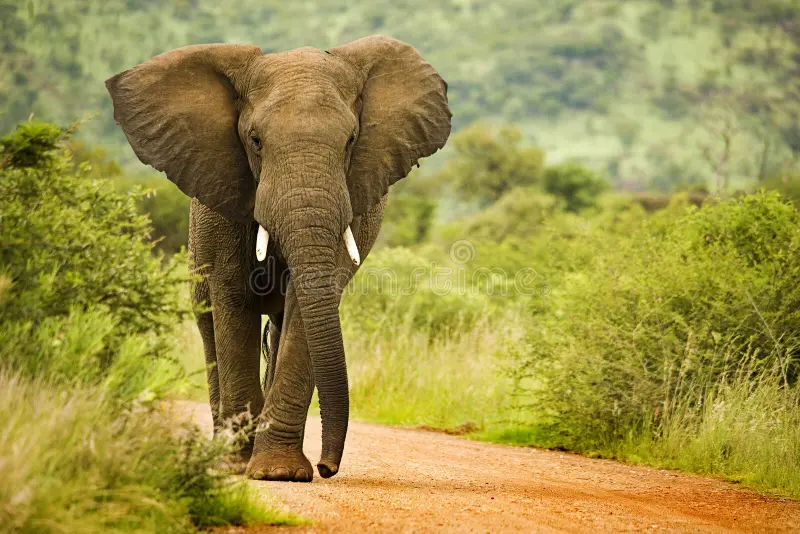
Why Elephants are the “Ecosystem Engineers”
Elephants do not just live in their environments; they actively shape them. Without them, entire ecosystems would collapse.
- Landscape Architects: As they walk, they knock down trees and trample thorny bushes, turning dense forests into open grasslands that support grazing animals like zebras and antelopes.
- Water Providers: During droughts, elephants use their tusks and trunks to dig deep into dry riverbeds, creating water holes that sustain countless other species.
- Master Seed Dispersers: An elephant can travel up to 50 miles a day. They eat vast amounts of vegetation and deposit seeds in their nutrient-rich dung miles away, ensuring forest regeneration.
- Carbon Capturers: By maintaining healthy forests and grasslands, elephants play a massive, often overlooked role in capturing carbon dioxide from the atmosphere.
The Ivory Crisis and Other Threats
Despite a global ban on international ivory trade in 1989, the killing continues. The threats facing elephants are multifaceted and relentless.
| Primary Threat | Main Causes | Impact on Elephants |
|---|---|---|
| Poaching for Ivory | Demand for ivory carvings and jewelry, primarily in Asian markets | Kills roughly 20,000 elephants annually; destroys matriarch-led family structures. |
| Habitat Loss | Agricultural expansion, infrastructure development, logging | Forces elephants into smaller areas, leading to starvation and inbreeding. |
| Human-Wildlife Conflict | Elephants raiding crops as their natural foraging grounds shrink | Results in retaliatory killings by frustrated farmers using poison or guns. |
| Climate Change | Increased droughts and shifting rainfall patterns | Causes mass die-offs from dehydration and starvation. |
Innovative Strategies for Elephant Conservation
Conservationists are getting creative in their quest to protect elephants, combining traditional boots-on-the-ground tactics with cutting-edge technology.
- Drones and AI: Wildlife reserves now use drones equipped with thermal cameras and AI to spot poachers at night, giving rangers the upper hand.
- The “Beehive Fence” Project: In a brilliant stroke of innovation, conservationists discovered elephants are terrified of African honeybees. Fences made of suspended beehives are successfully stopping elephants from trampling local farms, reducing human-wildlife conflict.
- Genetic Tracking: Scientists are mapping elephant DNA from seized ivory to pinpoint exactly where poaching hotspots are, allowing law enforcement to deploy resources strategically.
- Corridor Creation: NGOs are working with governments to buy land and create protected “corridors” that allow elephants to migrate safely between fragmented habitats.
How You Can Help Elephants
- Never Buy Ivory: This is the golden rule. Even “antique” or “fake” ivory drives the demand that gets elephants killed.
- Support Ethical Tourism: If you go on safari, choose operators that prioritize animal welfare and support local communities.
- Donate to Frontline Organizations: Groups like Save the Elephants, the Sheldrick Wildlife Trust, and the Elephant Protection Initiative do vital, life-saving work.
- Spread the Word: Share the truth about the ivory trade on social media to help reduce consumer demand.
Conclusion
An elephant never forgets, but humanity seems to have forgotten how much we owe them. Protecting elephants is not just about saving a single species; it is about preserving the vast, interconnected web of life they support. We must ensure that future generations inherit a world where the thundering footsteps of elephants still echo across the plains.