
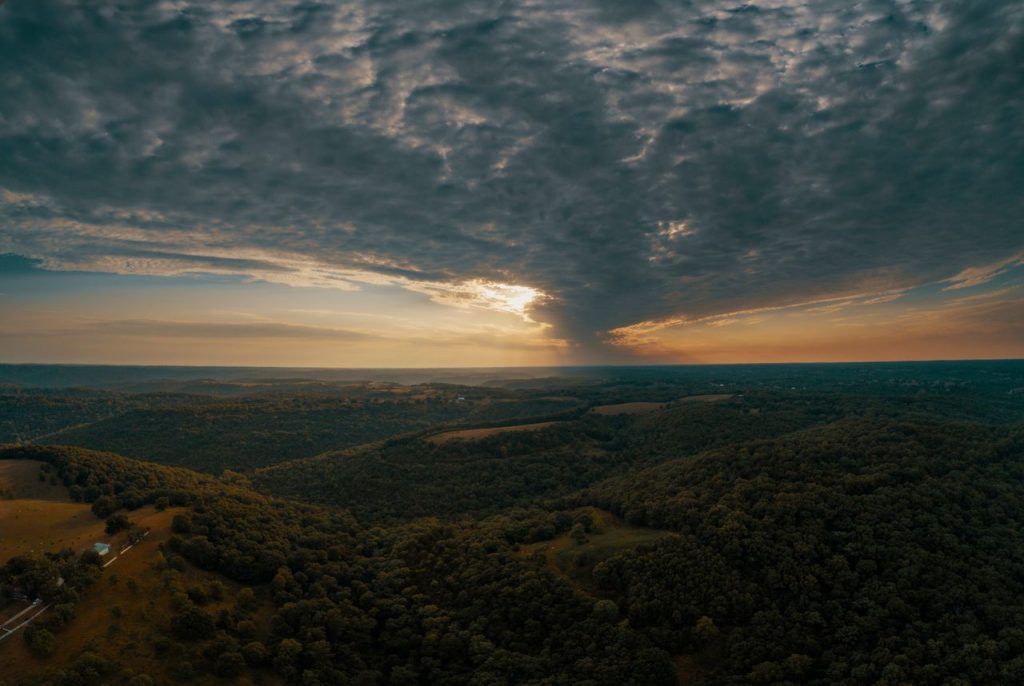
Wildlife is one of the world’s greatest natural treasures. From the smallest insects to the largest mammals, every species contributes to the complex web of life that keeps ecosystems functioning. Yet across the globe, wildlife faces growing pressure from habitat destruction, pollution, climate change, illegal hunting, and unsustainable use of natural resources.
Why Wildlife Conservation Matters
Healthy wildlife populations are essential to healthy ecosystems. Animals help pollinate plants, spread seeds, control pests, recycle nutrients, and maintain food chains. When a species disappears, the effects can extend far beyond that single animal.
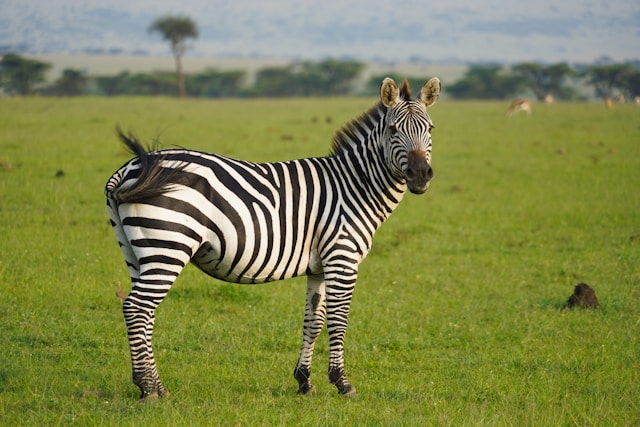
Wildlife also supports human communities. Forests, wetlands, rivers, and coastal ecosystems provide food, clean water, protection from natural hazards, and economic opportunities. Many communities depend directly on natural resources for their livelihoods, making conservation closely connected with human well-being.
The Growing Threat to Wildlife
One of the biggest challenges facing wildlife is the loss of natural habitat. As cities expand, forests are cleared, wetlands are drained, and land is converted for agriculture and infrastructure, many animals lose the places they need to feed, reproduce, and survive.
Climate change adds another layer of pressure. Changes in temperature, rainfall, sea levels, and seasonal patterns can alter habitats and food supplies. Species that cannot adapt or move to suitable environments may face increasing risks.
Pollution is another serious concern. Plastic waste, chemicals, pesticides, and other pollutants can contaminate land and water, harming wildlife directly or disrupting the ecosystems on which animals depend.
Illegal wildlife trade also threatens numerous species. Animals may be captured or killed for their meat, skins, horns, shells, or other products. Combating this trade requires effective laws, responsible enforcement, international cooperation, and public awareness.
Conservation Begins With Healthy Habitats
Protecting individual animals is important, but long-term conservation also requires protecting the places where wildlife lives. National parks, wildlife sanctuaries, marine protected areas, community forests, and other conservation zones can provide safe habitats for species and help ecosystems recover.
Restoring damaged habitats is equally important. Planting native trees, restoring wetlands, protecting rivers, and reconnecting fragmented habitats can give wildlife opportunities to return and populations to recover.
Communities Are Part of the Solution
Successful conservation is rarely achieved by protecting nature in isolation from people. Local communities often have valuable knowledge about their surrounding environment and can play a central role in protecting it.
Community-led conservation programs can create incentives to protect forests, manage fisheries responsibly, reduce human-wildlife conflict, and develop sustainable sources of income. When people benefit from healthy ecosystems, conservation can become a shared responsibility rather than an external obligation.
What Individuals Can Do
Wildlife conservation is not only the responsibility of governments, scientists, or conservation organizations. Individuals can make meaningful contributions through everyday choices.
People can reduce plastic and unnecessary waste, use natural resources responsibly, support ethical and sustainable businesses, avoid purchasing products made from threatened wildlife, and respect animals and their habitats when traveling. Learning about local wildlife and sharing reliable conservation information can also help build greater awareness.
Even small actions become more meaningful when millions of people participate.
Building a Future for Wildlife
Conserving wildlife does not mean stopping human progress. It means finding ways for development and nature to exist together. Better land-use planning, sustainable agriculture, responsible tourism, renewable energy, habitat restoration, scientific research, and stronger environmental policies can all contribute to this goal.
The future of wildlife will depend on choices made today. Protecting a forest can preserve countless species. Restoring a wetland can provide shelter for birds and aquatic life. Supporting sustainable practices can reduce pressure on ecosystems.
Wildlife conservation is ultimately an investment in the future of the planet and the people who depend on it. By protecting habitats, respecting biodiversity, and making thoughtful choices, we can help ensure that the remarkable variety of life on Earth continues for generations to come.