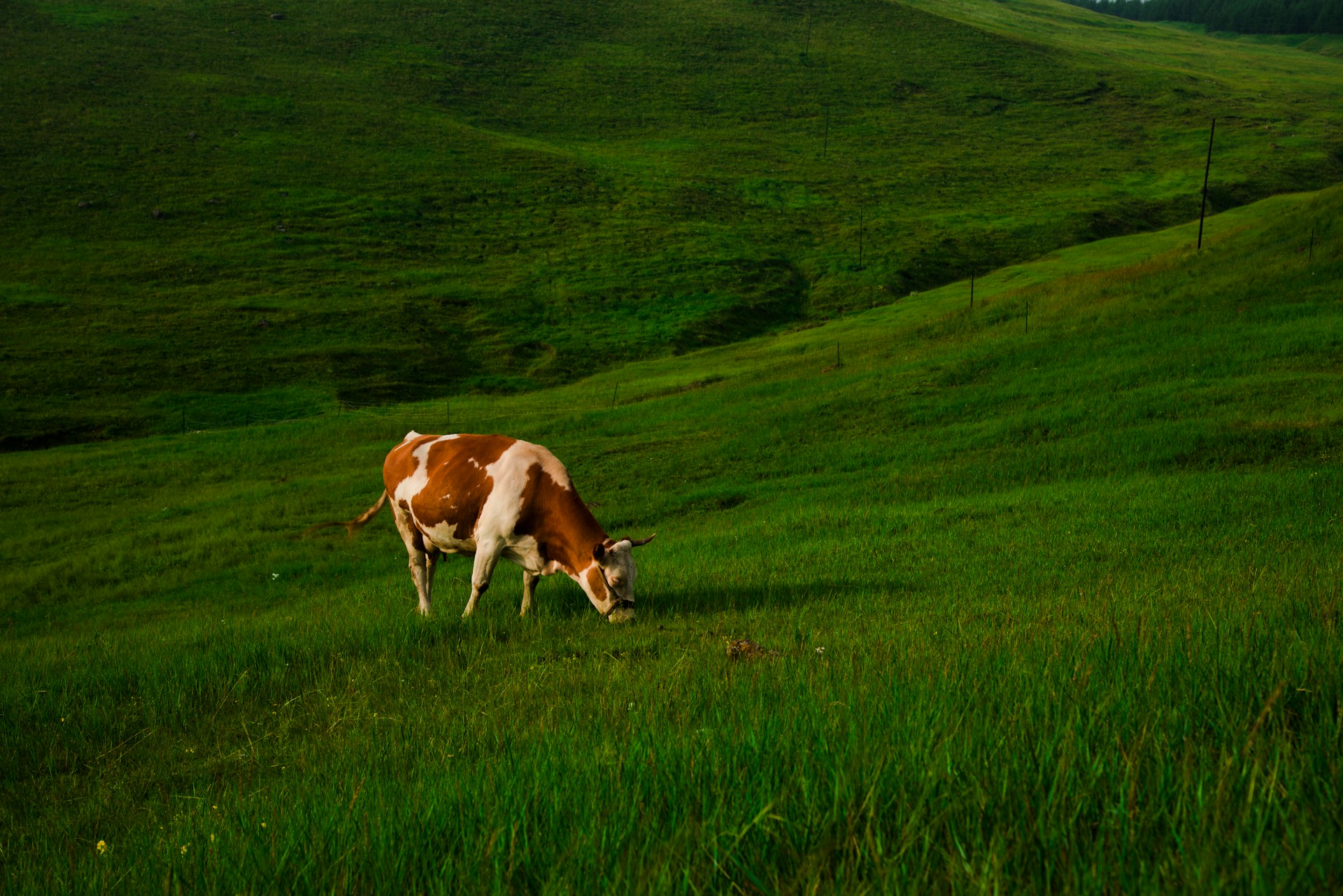
The Hidden Lives of Cattle
Most people rarely interact with a living cow. If they did, they would realize that cattle are deeply emotional, highly intelligent creatures.
- They Have Best Friends: Research shows that cows become visibly stressed when separated from their preferred companions, and their heart rates drop when they are reunited.
- Emotional Contagion: Cows can catch each other’s moods. If one cow is excited or anxious, it quickly spreads through the herd.
- The “Eureka” Moment: Cows have been observed jumping and kicking with excitement when they finally figure out how to open a puzzle gate to reach food. They genuinely feel pride in solving problems.
- Incredible Digesters: A cow’s stomach has four compartments, allowing them to ferment and break down tough plant fibers that humans and most other animals cannot digest.
The Great Cattle Debate: Environment vs. Agriculture
The environmental impact of cattle is the defining issue of modern agriculture. However, not all beef is created equal.
| Environmental Factor | Industrial Feedlot Beef | Regenerative / Grass-Fed Beef |
|---|---|---|
| Methane Emissions | Extremely high due to unnatural grain diets that disrupt gut bacteria. | Still present, but often offset by carbon sequestration in the soil. |
| Deforestation | High (forests, especially in the Amazon, are cleared for soy to feed cattle). | Very low (cows eat native grasses on existing land; no soy required). |
| Water Pollution | Massive manure lagoons leak nitrates into local waterways. | Manure is naturally spread across pastures, acting as fertilizer. |
| Soil Health | Degradative; land is often overgrazed or left barren. | Regenerative; hooves trample dead grass, feeding soil microbes and building topsoil. |
The Promise of Regenerative Agriculture
A growing movement of ranchers is proving that cattle can actually heal the planet. Through “rotational grazing”—moving cows frequently from one paddock to another—cattle mimic the behavior of ancient wild herds (like the American bison).
This process stimulates root growth, traps carbon dioxide deep in the soil, and restores degraded land into fertile, water-retaining prairies. The cow shifts from being a climate villain to a climate tool.
What Can the Average Consumer Do?
- Eat Less, But Better: You don’t have to go vegan to make a difference. Swap out cheap, fast-food beef for high-quality, pasture-raised beef a few times a week.
- Look for Grass-Fed Labels: Seek out beef that is 100% grass-fed and finished, ideally from local farmers practicing regenerative agriculture.
- Reduce Food Waste: The most environmentally damaging burger is the one that gets thrown in the trash. Respect the life of the animal by not wasting its meat.
Conclusion
Cows are remarkable, sentient beings. While industrial beef production is undeniably harmful to the environment, demonizing the animal itself is a mistake. By supporting farmers who work with nature rather than against it, we can enjoy the nutritional benefits of beef while allowing cattle to play a vital role in restoring our ecosystems.