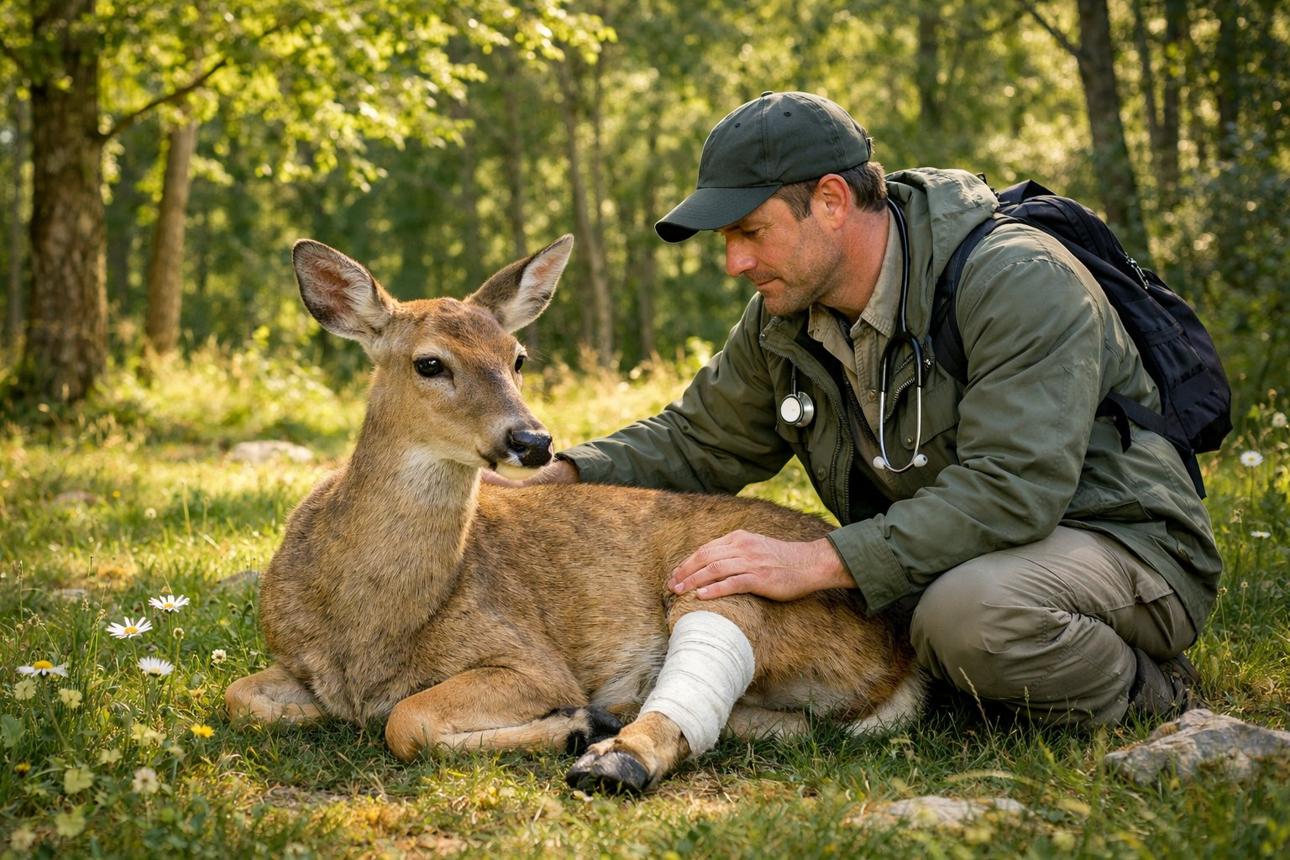
Wildlife is an essential component of healthy ecosystems. From large mammals and birds to reptiles and amphibians, every species contributes to ecological balance. However, wild animals increasingly face threats from habitat destruction, climate change, pollution, infectious diseases, and human–wildlife conflict. Wildlife veterinary medicine has become an important field for addressing these challenges.
What Is Wildlife Veterinary Medicine?
Wildlife veterinary medicine is a specialized branch of veterinary science focused on the health, treatment, rehabilitation, and conservation of wild animals. Unlike conventional veterinary practice, which often focuses on individual domestic animals, wildlife veterinary medicine frequently considers the health of entire populations and their ecosystems.
Wildlife veterinarians work with animals in forests, protected areas, rehabilitation centers, zoological institutions, research facilities, and conservation projects.
The Role of Wildlife Veterinarians
Wildlife veterinarians perform many important duties, including examining injured animals, diagnosing diseases, providing emergency treatment, conducting health assessments, and supporting rehabilitation before release into natural habitats.
They also contribute to disease surveillance and research. Monitoring infections in wildlife can help identify emerging threats to endangered species, livestock, and human populations.
Wildlife Diseases and Conservation
Infectious diseases can have serious consequences for wildlife populations, particularly when endangered species have limited numbers or fragmented habitats. Parasites, bacteria, viruses, and fungal pathogens may affect survival and reproduction.
Veterinary investigations can help identify disease patterns and support appropriate conservation responses. Preventive measures, responsible animal handling, quarantine procedures, and habitat management are important parts of wildlife health programs.
The One Health Connection
Wildlife health is closely connected to human health, domestic animal health, and environmental health. The One Health approach recognizes these relationships and encourages collaboration among veterinarians, ecologists, public health professionals, and conservation scientists.
For example, investigating disease outbreaks at the wildlife–livestock interface can help researchers understand transmission risks and improve prevention strategies.
The Future of Wildlife Veterinary Medicine
Modern technologies, including camera traps, GPS tracking, laboratory diagnostics, molecular testing, and remote monitoring, are expanding the possibilities for wildlife health research. These tools can improve disease detection while reducing unnecessary disturbance to wild animals.
The future of this field depends on scientific research, professional training, ethical wildlife management, and cooperation between conservation organizations and veterinary institutions.
Conclusion
Wildlife veterinary medicine is more than the treatment of injured animals. It is an important part of biodiversity conservation, disease prevention, and ecosystem protection. By combining clinical expertise with population-level research, wildlife veterinarians help create a healthier future for wildlife and the environments on which all species depend.