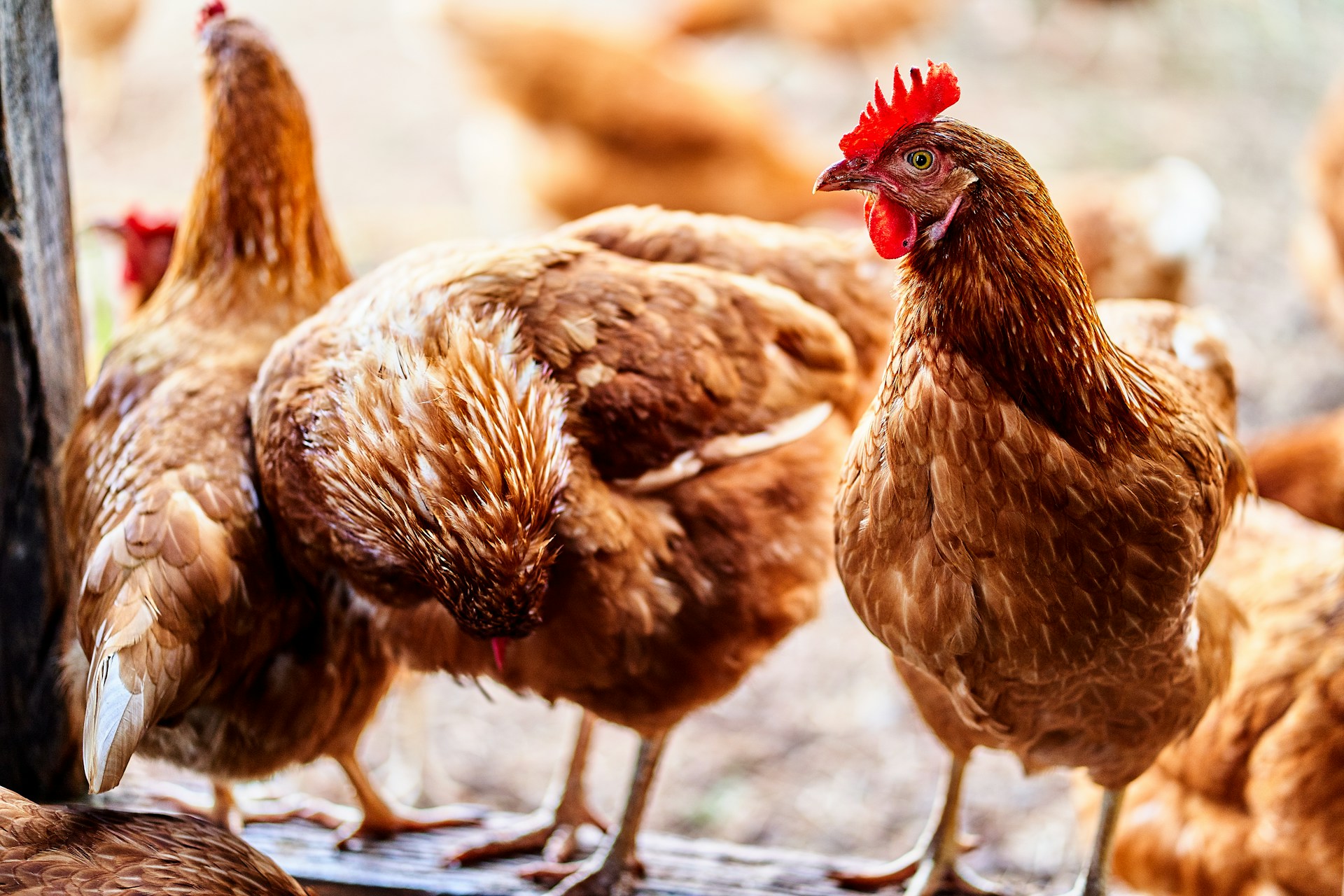
4 Surprising Facts About Poultry Intelligence
If you’ve ever spent time with a flock of chickens, you know they have distinct personalities. But science backs up what backyard flock owners have long suspected:
- They Are Living Dinosaurs: Birds are the only surviving descendants of theropod dinosaurs. So, when you look at a chicken, you are literally looking at a modern-day dinosaur.
- Complex Social Structures: Poultry have strict social hierarchies (the origin of the term “pecking order”). They can recognize over 100 individual flock members and remember complex social dynamics.
- Problem-Solving Skills: Studies have shown that chickens possess basic arithmetic skills (like simple addition and subtraction) and can anticipate future events.
- Self-Awareness: Chickens demonstrate self-control and an understanding of cause-and-effect, showing that they are sentient beings capable of experiencing joy, fear, and pain.
The State of Modern Poultry: A Tale of Two Systems
The way we raise poultry has shifted drastically over the last century. The demand for cheap meat and eggs has led to intense industrialization, sparking a massive debate over animal welfare.
| Farming System | How It Works | Impact on the Birds |
|---|---|---|
| Industrial (Factory Farming) | Birds kept in crowded, indoor sheds; battery cages for eggs. | High stress, inability to perform natural behaviors (dust bathing, roosting), physical ailments. |
| Free-Range | Birds have access to the outdoors, though indoor density may still be high. | Better physical health, ability to forage, but outdoor access quality varies greatly. |
| Pasture-Raised | Birds live outdoors on rotated grass pastures with mobile coops. | Allows for complete natural behavior, healthiest birds, and most nutritious eggs/meat. |
| Backyard Flocks | Small-scale, kept by individuals in urban or rural settings. | High welfare, strong human-animal bond, but requires dedicated daily care. |
The Backyard Poultry Boom
In recent years, there has been a massive surge in people keeping backyard chickens. Driven by a desire for sustainable living, knowing where their food comes from, and the joy of keeping pets that “pay rent” in fresh eggs, urban and suburban poultry keeping is reshaping how we view these birds.
How You Can Support Better Poultry Welfare
- Vote with Your Wallet: Look for certifications like “Certified Humane,” “Animal Welfare Approved,” or “Pasture-Raised” on egg cartons and meat packages.
- Ditch the Cage: Support legislation that bans battery cages in your local area or country.
- Consider a Flock: If your local zoning allows, try raising a few hens yourself. It’s incredibly rewarding.
- Respect Them as Pets: If you visit petting zoos or farms, treat poultry with the same gentleness you would a dog or cat.
Conclusion
Poultry are not just commodities; they are intelligent, social creatures with a rich evolutionary history. By shifting our perspective and demanding better farming practices, we can ensure that the world’s most populous bird is treated with the dignity it deserves.