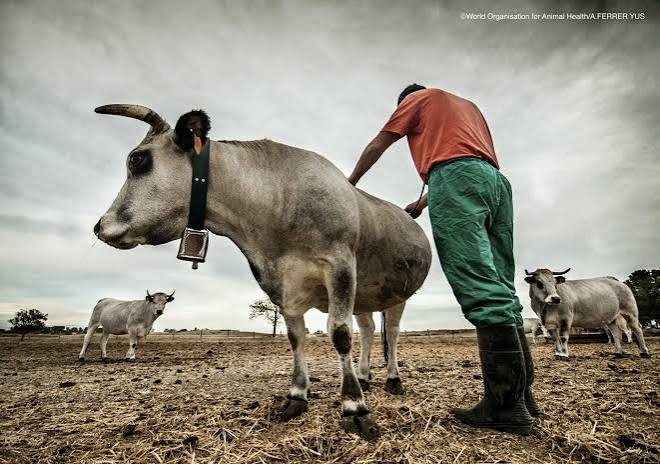
Wild animals live in complex environments where their health is influenced by climate, food availability, habitat quality, population density, and contact with other species. When disease enters a wildlife population, its effects may range from mild illness to substantial mortality. Wildlife disease surveillance helps veterinarians and researchers recognize these threats and respond appropriately.
Understanding Wildlife Disease Surveillance
Wildlife disease surveillance is the systematic collection and evaluation of information about diseases in wild animal populations. It may involve observing animals in the field, examining carcasses, testing biological samples, and recording unusual changes in animal behavior or mortality.
Both active and passive surveillance are useful. Active surveillance involves planned sampling, while passive surveillance relies on reports of sick, injured, or dead animals.
Why Early Detection Matters
An unusual increase in animal deaths may indicate an infectious disease, environmental contamination, poisoning, or another ecological problem. Early investigation helps professionals identify possible causes and determine whether additional testing or intervention is necessary.
Surveillance is particularly important for threatened species because a disease outbreak may have a disproportionate effect on a small population.
The Role of Laboratory Diagnostics
Veterinary laboratories support wildlife disease investigations through microbiological testing, parasitological examination, histopathology, and molecular diagnostic methods. The choice of test depends on the suspected disease, available samples, and the species being investigated.
Reliable diagnosis requires appropriate sample collection, transport, biosafety precautions, and interpretation of laboratory findings alongside clinical and ecological information.
Linking Wildlife Health to One Health
Some wildlife diseases can affect domestic animals or people, while other diseases primarily threaten wildlife conservation. Surveillance helps clarify these relationships and supports coordinated responses among veterinary services, wildlife authorities, and public health agencies.
However, detecting a pathogen does not automatically mean that an animal is infectious or that transmission to humans will occur. Risk assessment must consider the pathogen, host species, exposure route, and environmental conditions.
Challenges in Wildlife Surveillance
Monitoring wildlife is difficult because animals may inhabit remote areas, show few visible signs of illness, or be challenging to capture safely. Limited funding, laboratory access, and trained personnel can also restrict surveillance programs.
Innovative approaches, including environmental DNA, non-invasive sampling, remote cameras, and community reporting systems, may help overcome some of these limitations.
Conclusion
Wildlife disease surveillance is a cornerstone of modern wildlife veterinary medicine. By combining field observations, diagnostic testing, and ecological knowledge, veterinary professionals can identify emerging threats, guide conservation decisions, and strengthen the protection of wildlife populations.