The Real Thoughts Comes Out of Knowledge

The Frozen Mirror of Antarctica

The only continent we haven’t conquered, yet the one we are changing the fastest.

Antarctica is the Earth’s great blank canvas. It is a landscape of absolute silence, blinding white, and terrifying beauty—a place where humans have never permanently rooted, yet we have left our fingerprints all over it. It holds 70% of the world’s fresh water captive in glaciers that remember a time before human history began. Looking into the deep blue crevasses of an Antarctic ice sheet is like looking into a time machine. But as the ice calves into the ocean with the sound of thunder, it serves as a chilling reminder: you don’t have to live in a place to destroy it.

One Health

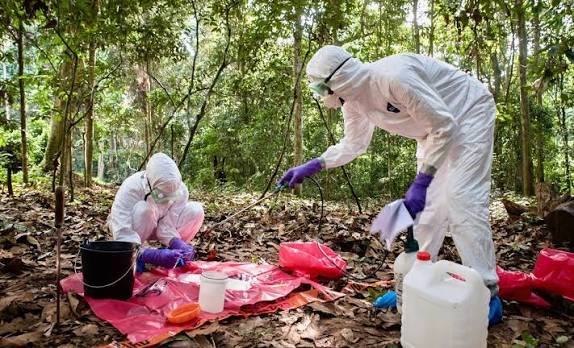
Wildlife, human health, and environmental well-being are deeply connected. The One Health approach recognizes these connections and promotes collaboration to prevent diseases, protect biodiversity, and build healthier ecosystems for future generations.

Community Engagement

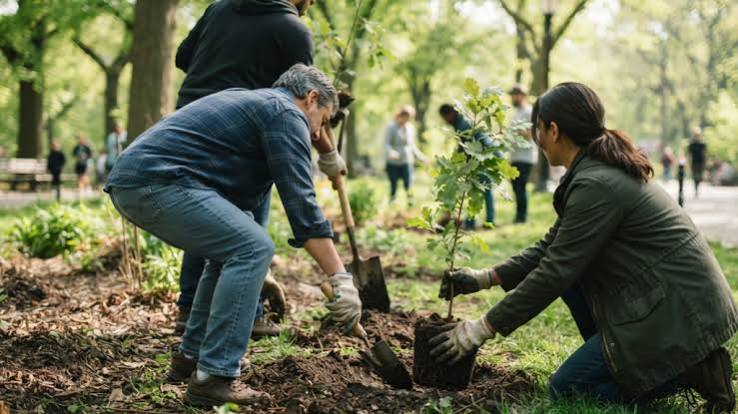
Wildlife conservation begins with people who care. Through education, volunteer programs, community partnerships, and local action, we can protect vulnerable animals, restore natural habitats, and create a future where people and wildlife thrive together.

Community Engagement

Community engagement is the process of involving people in identifying community needs, making decisions, and developing solutions to shared problems. It promotes collaboration, trust, social responsibility, and sustainable development. By encouraging active participation among local residents, researchers, government agencies, and organisations, community engagement helps create positive and lasting changes in society and the environment.

BiodiversityWildlife Health

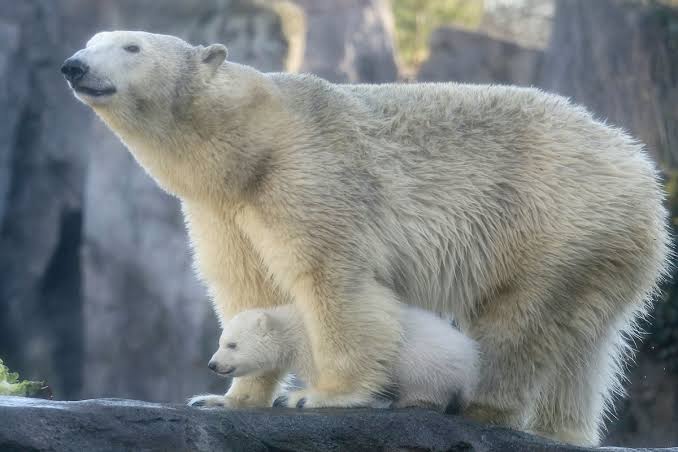
Endangered animals are facing increasing threats from habitat destruction, poaching, pollution, and climate change. Protecting these species is essential for maintaining biodiversity, balancing ecosystems, and preserving the natural world for future generations.

Ecology

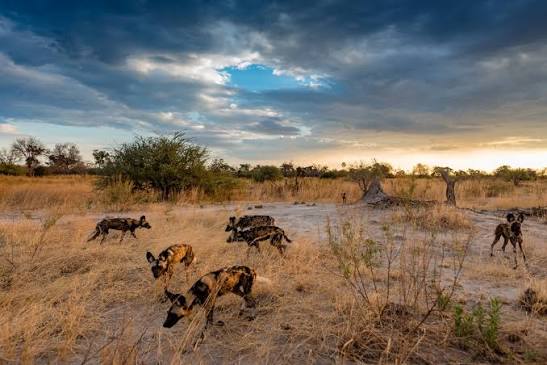
Wildlife ecology is the study of wild animals and their relationship with nature. It helps us understand how animals live, find food, use their habitats, and interact with other living things.

Conservation

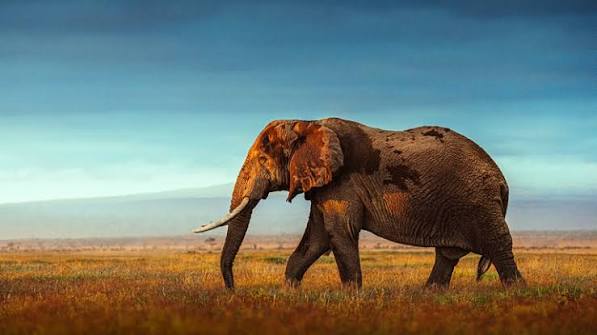
Wildlife conservation is more than protecting animals—it is about preserving the delicate relationships that keep forests, wetlands, oceans, and grasslands alive. By protecting habitats, restoring damaged ecosystems, and working with local communities, we can give wildlife a better chance to survive and thrive.
Scroll to Top