The Real Thoughts Comes Out of Knowledge

The Hubris of Jurassic Park

“Your scientists were so preoccupied with whether or not they could, they didn’t stop to think if they should.”

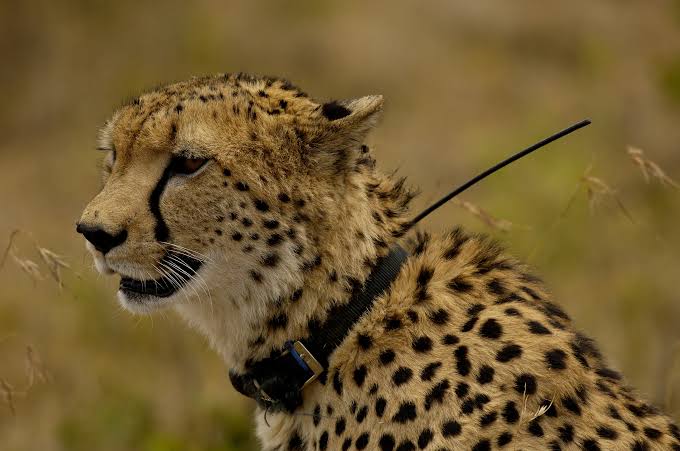
Jurassic Park isn’t really a warning about dinosaurs; it’s a warning about us. We look at the untamable chaos of deep time—65 million years of wild, ruthless evolution—and our first instinct is to put a ticket booth next to it. We suffer from the delusion that if we can sequence the DNA, we can master the outcome. But nature doesn’t respect electric fences or corporate spreadsheets. The T-Rex didn’t break out because of a fallen tree; she broke out because we forgot we were never the ones in charge. Life finds a way, and it usually finds a way to humble us.

One Health

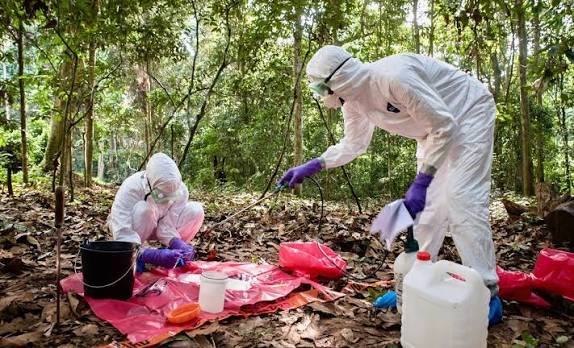
Wildlife, human health, and environmental well-being are deeply connected. The One Health approach recognizes these connections and promotes collaboration to prevent diseases, protect biodiversity, and build healthier ecosystems for future generations.

Community Engagement

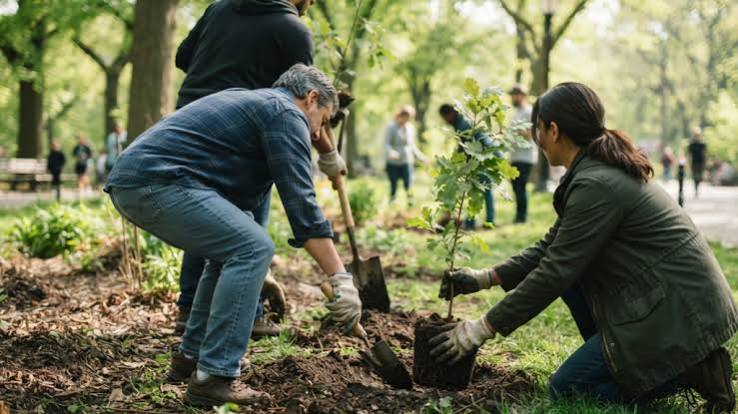
Wildlife conservation begins with people who care. Through education, volunteer programs, community partnerships, and local action, we can protect vulnerable animals, restore natural habitats, and create a future where people and wildlife thrive together.

Community Engagement

Community engagement is the process of involving people in identifying community needs, making decisions, and developing solutions to shared problems. It promotes collaboration, trust, social responsibility, and sustainable development. By encouraging active participation among local residents, researchers, government agencies, and organisations, community engagement helps create positive and lasting changes in society and the environment.

BiodiversityWildlife Health

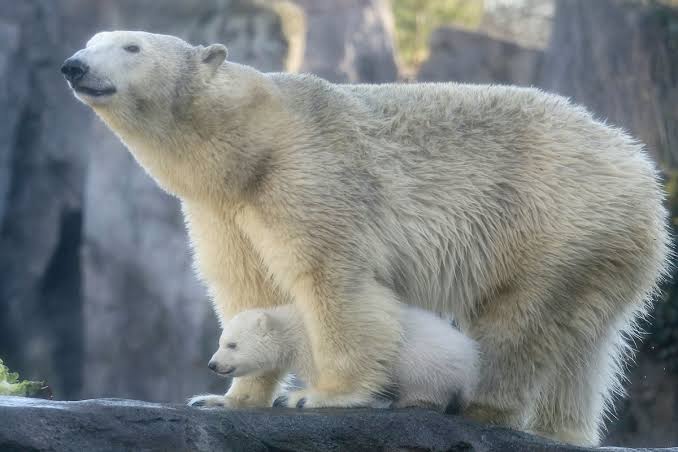
Endangered animals are facing increasing threats from habitat destruction, poaching, pollution, and climate change. Protecting these species is essential for maintaining biodiversity, balancing ecosystems, and preserving the natural world for future generations.

Ecology

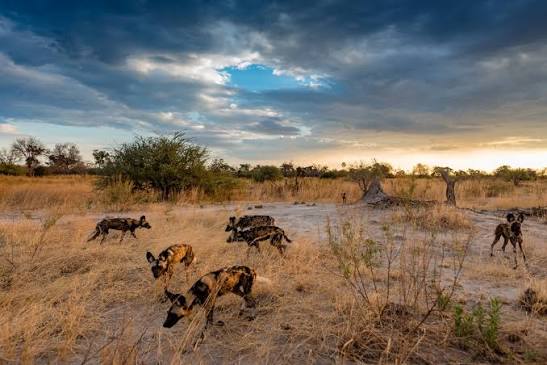
Wildlife ecology is the study of wild animals and their relationship with nature. It helps us understand how animals live, find food, use their habitats, and interact with other living things.

Conservation

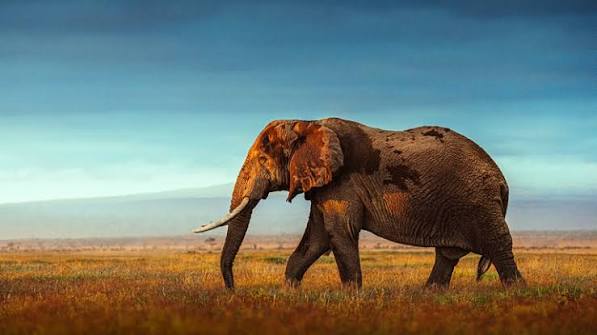
Wildlife conservation is more than protecting animals—it is about preserving the delicate relationships that keep forests, wetlands, oceans, and grasslands alive. By protecting habitats, restoring damaged ecosystems, and working with local communities, we can give wildlife a better chance to survive and thrive.
Scroll to Top